Spring Season Ditch Culvert Installation with Local Service Providers
Spring is the perfect time for property owners to connect with local contractors who can install culverts and improve drainage for a safer, more functional landscape.
Spring is often considered an ideal time to plan culvert installation projects because the season brings warmer weather and increased daylight, making outdoor work more manageable. During spring, property owners may notice that water runoff or drainage issues become more apparent after winter storms, prompting the need for effective solutions. This season also provides an opportunity to prepare the landscape for the upcoming months, ensuring proper water flow and preventing potential flooding or erosion during the wetter months ahead.
Culvert installation services typically cover the assessment of existing drainage patterns, excavation of the site, and the placement of durable pipes or channels to direct water flow efficiently. These projects often involve coordinating with local contractors who can evaluate the terrain, determine the appropriate size and type of culvert, and handle the necessary permits or regulations. Proper installation helps improve drainage, protect property foundations, and maintain landscape integrity, making it a practical upgrade for many property owners during spring.
When comparing options from local service providers, property owners should consider factors such as experience with similar projects, the range of services offered, and the quality of materials used. Gathering information about each contractor’s reputation and reviewing their credentials can help identify reliable professionals capable of handling culvert work effectively. Consulting with multiple local contractors allows property owners to ask questions, clarify project scope, and choose a provider that aligns with their specific drainage needs and property conditions.
Compare local contractors' experience and expertise to find the best fit for your spring culvert installation project.
- Expert Culvert Installation - Local contractors can assess site conditions and install culverts suitable for your drainage needs.
- Proper Site Preparation - Service providers can prepare the area to ensure effective culvert placement and long-term performance.
- Material Selection Guidance - Local pros can recommend appropriate culvert materials based on your property's requirements.
- Drainage System Integration - Contractors can help integrate culverts into existing drainage systems for optimal water flow management.
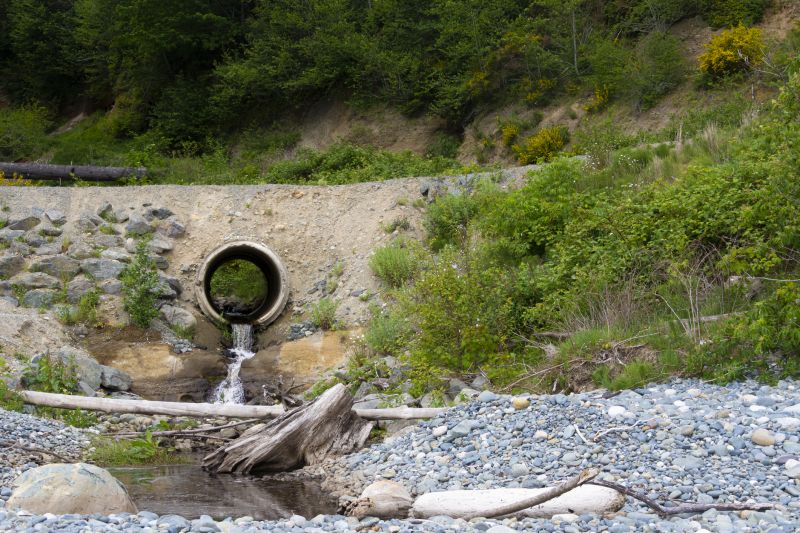
Clearly describe your ditch culvert installation project before comparing options with trusted local service providers.
- Assess the site conditions - evaluate the terrain and water flow to determine the appropriate culvert size and placement.
- Check for underground utilities - identify existing underground lines or obstacles that could affect installation.
- Ensure proper slope and alignment - plan for adequate drainage and water flow to prevent future flooding or erosion issues.
- Verify permit requirements - contact local service providers to ensure compliance with any necessary permits or regulations.
- Inspect materials and equipment - confirm that the chosen culvert and installation tools meet project specifications.
- Coordinate with local contractors - connect with experienced professionals who can handle the installation efficiently and correctly.
Spring is a great time to explore ditch culvert installation options with trusted local contractors.
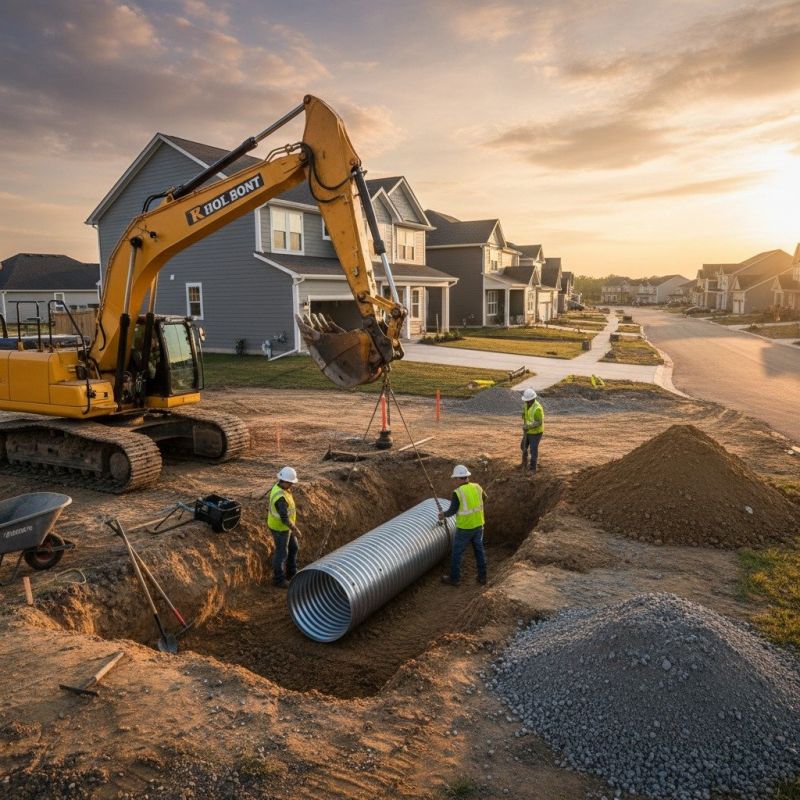
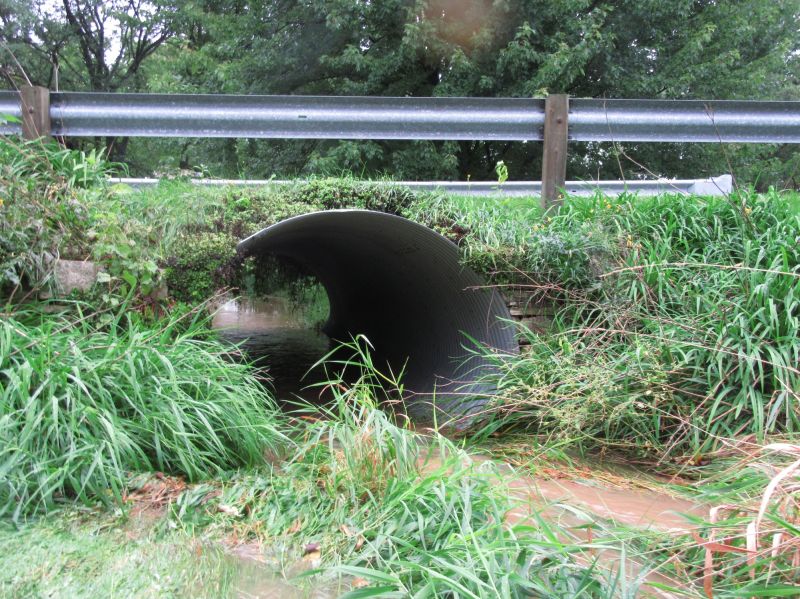
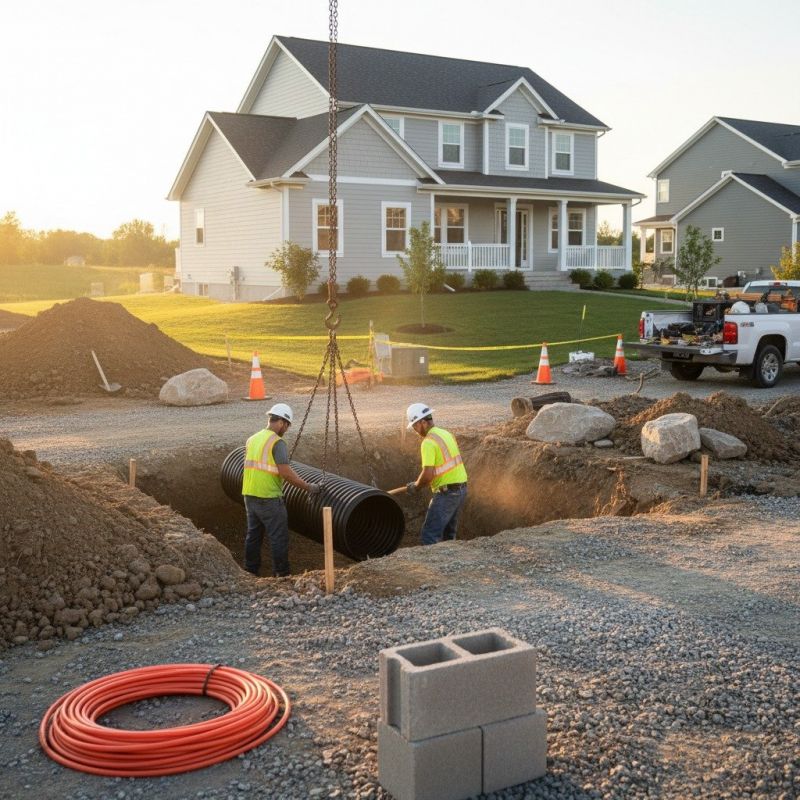
Prioritize your project needs and compare local contractors to find the best fit for your spring installation.
- Ditch Culvert Installation - Spring is an ideal time to install or replace culverts to improve drainage and prevent erosion. Local contractors can assess site conditions and recommend suitable culvert types for seasonal water flow. Planning ahead ensures proper integration with existing drainage systems as weather warms. Professionals can help navigate permits and environmental considerations common during spring projects. Proper installation by local service providers can enhance landscape resilience as snowmelt and rain increase runoff.
Compare local contractors' scope building approaches for ditch culvert installation to ensure consistent standards across providers this spring.
- Site Assessment - Define the location and dimensions of the ditch culvert to ensure proper fit and function.
- Material Selection - Determine the appropriate type and size of culvert materials suitable for the project requirements.
- Design Specifications - Establish the necessary slope, capacity, and alignment for effective water flow and stability.
- Permitting Requirements - Identify local regulations and permits required before installation begins.
- Installation Procedures - Outline the steps for proper placement, bedding, and backfilling to ensure durability and performance.
When considering ditch culvert installation during the spring season, it’s important to evaluate the experience of local contractors with similar projects. Homeowners should look for service providers who have a history of successfully completing culvert installations, especially in environments with comparable soil conditions and drainage challenges. An experienced contractor can offer insights into potential site-specific issues and provide guidance on best practices, helping to ensure the project proceeds smoothly and efficiently.
Clear and detailed communication about the scope of work is essential when comparing local service providers. A reputable contractor will be able to outline the specific tasks involved, including site preparation, material selection, and installation methods. This transparency helps homeowners understand what to expect and ensures that all parties are aligned on project objectives. Clarifying the scope early can also prevent misunderstandings and facilitate smoother project execution.
Work planning considerations are particularly relevant during the spring, when weather conditions can influence project timelines and methods. Homeowners should inquire how local contractors plan for variable spring weather, such as rain or fluctuating temperatures, and how these factors may impact scheduling and site preparation. Understanding a contractor’s approach to planning helps gauge their ability to adapt to seasonal conditions and maintain project quality despite potential weather-related disruptions.
Evaluating options without focusing solely on prices involves assessing how well local service providers communicate and clarify their process. Homeowners can compare how each contractor explains their approach to project planning, experience, and scope of work. It’s beneficial to consider the level of professionalism, responsiveness, and clarity in their proposals. By focusing on these aspects, homeowners can select a service provider that aligns with their project needs and expectations, ensuring a successful ditch culvert installation during the spring season.
Request written scope details to ensure clarity and consistency for your spring ditch culvert installation project.
- Scope Clarification - What specific tasks are included in the ditch culvert installation services offered by local contractors?
- Experience Comparison - How do different service providers' experience levels align with spring-focused culvert installation projects?
- Material Selection - What types of culvert materials do local pros typically recommend for spring runoff conditions?
- Service Offerings - How do the scope and methods of local contractors vary for spring-season culvert installation?
- Provider Capabilities - Which local service providers specialize in ditch culvert installation suited for spring landscape changes?
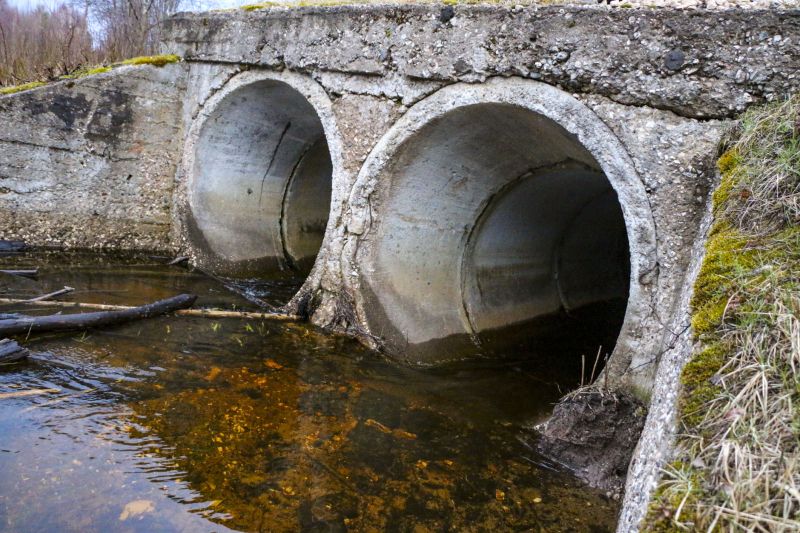
What is a ditch culvert installation? Ditch culvert installation involves placing a pipe or similar structure to allow water to flow under a driveway, road, or landscape feature, helping prevent flooding and erosion during spring rains.
Why consider installing a ditch culvert in spring? Spring often brings increased rainfall and runoff, making it an ideal time to install or upgrade culverts to manage water flow and protect property from water damage.
How do local contractors determine the right culvert size? They assess factors like water volume, flow rate, and site conditions to recommend a culvert size that effectively handles seasonal water movement.
What materials are commonly used for ditch culverts? Common materials include corrugated metal, plastic, or concrete, selected based on durability, budget, and site requirements.
Can a ditch culvert be installed alongside existing drainage systems? Yes, local service providers can evaluate existing drainage and integrate new culverts to improve overall water management during spring.
What are the benefits of professional ditch culvert installation? Professional installation ensures proper placement, optimal water flow, and reduces the risk of future issues like blockages or erosion.
This spring is an ideal time to consider culvert installation projects that help manage water flow and protect property. Visitors have learned about the importance of proper culvert placement, the benefits of professional installation, and how local contractors can provide tailored solutions to meet specific site needs. Exploring options now can support seasonal planning and ensure drainage systems are ready for upcoming weather changes.
To find the right fit for culvert installation, visitors are encouraged to use the quote form to compare offerings from local service providers. Connecting with experienced contractors in the area can help identify solutions that suit individual project requirements, making it easier to plan and execute effective drainage improvements this season.
Providing clear details about your ditch culvert installation project helps local contractors understand your needs effectively.
- Project Details - Share information about the size and location of the culvert installation area.
- Existing Site Conditions - Describe current site features, including soil type, drainage issues, or obstructions.
- Materials and Equipment - Indicate if specific materials or equipment are needed for the culvert installation.
- Access and Permits - Provide details about site access and any required permits for the work.