Get Culvert Installation
Culvert installation services help property owners manage water flow and drainage by connecting or replacing culverts in driveways, roads, or drainage systems.
Property owners in the area considering culvert installation often seek reliable local contractors to ensure proper drainage and property stability. Whether managing a new construction project, addressing existing water flow issues, or preparing land for future development, having experienced professionals handle the installation can make a significant difference. Exploring your options and comparing local service providers can help you find the right expertise to meet your specific needs.
By reviewing local contractors specializing in culvert installation, property owners can access a range of practical solutions tailored to their site conditions. This process allows for a thorough understanding of available services and helps identify experienced providers capable of delivering quality results. Keep reading to learn more about how to connect with trusted local experts for your culvert project.
- Residential drainage projects - homeowners may need culvert installation to manage water flow around their property.
- Farm and agricultural drainage systems - farmers require culverts to ensure proper water management across fields and farmland.
- Road and driveway crossings - contractors install culverts to facilitate safe and durable road or driveway crossings over waterways.
- Construction site drainage solutions - builders may need culverts to control water runoff during new developments.
- Landscape and yard drainage improvements - property owners seek culvert installation to prevent flooding and improve land drainage.
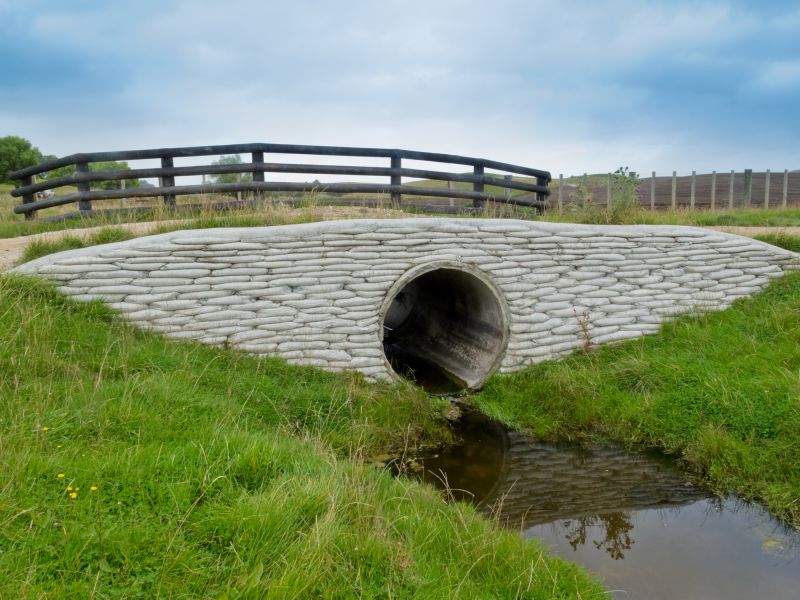
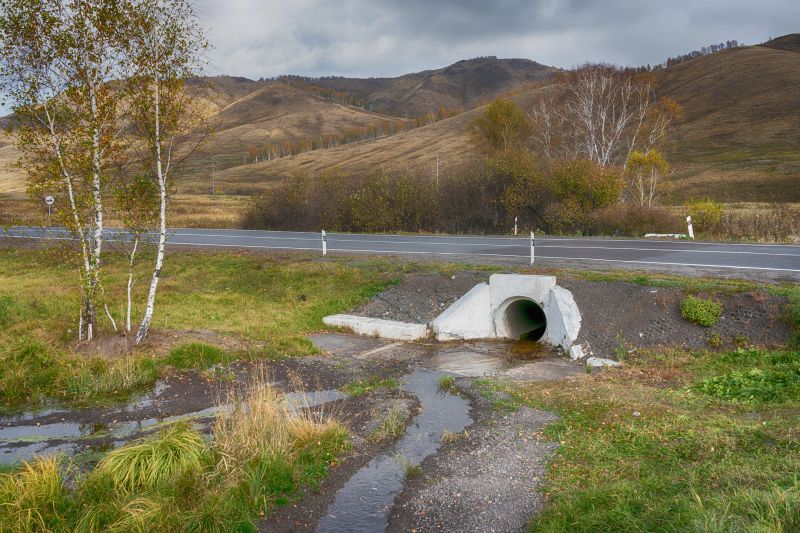
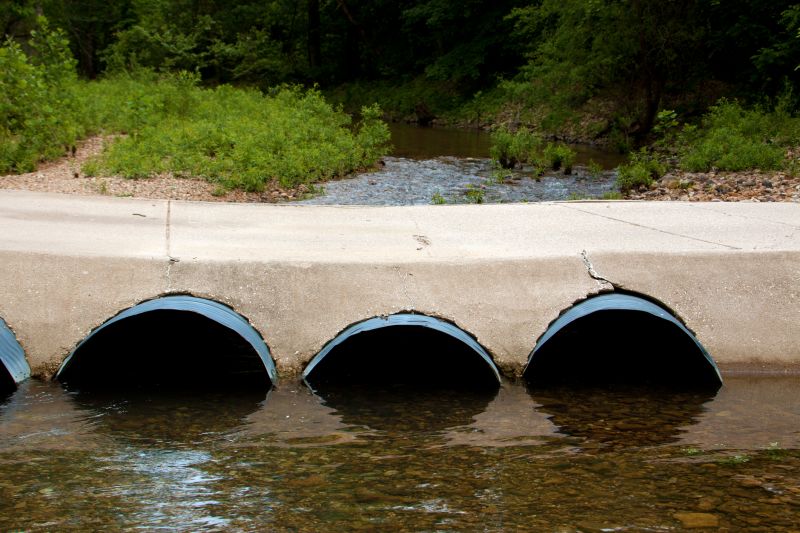
Culvert installation services involve the placement of underground structures designed to allow water to pass beneath roads, driveways, or property boundaries. These structures are typically made from materials such as concrete, metal, or plastic and are carefully positioned to ensure proper drainage and water flow. Proper installation requires precise excavation, placement, and sealing to prevent leaks and ensure the culvert functions effectively over time. Experienced contractors evaluate the site conditions, including soil type and water flow patterns, to recommend the most suitable culvert type and size for each property.
This service helps address a variety of drainage problems that can threaten property stability and accessibility. Properties prone to frequent flooding, water pooling, or erosion often benefit from culvert installation. By directing water away from foundations, driveways, and landscaping, culverts help prevent water damage, soil erosion, and even structural issues. Additionally, culverts can improve access to remote or low-lying areas during heavy rains, making them an essential solution for properties with challenging terrain or water management concerns.
Culvert installation is commonly used on residential properties, farms, commercial sites, and rural land parcels. Homeowners with driveways that flood or wash out during storms often seek this service to protect their property and maintain access. Agricultural properties may require culverts to manage irrigation channels or drainage ditches, while commercial sites benefit from effective water management to prevent disruptions. Rural landowners, in particular, often rely on culverts to ensure that roads remain passable and that water is directed safely away from buildings and critical infrastructure.
When considering culvert installation, property owners should evaluate whether their land experiences drainage issues or flooding risks. If water tends to accumulate or flow improperly across the property, a culvert could provide a practical solution. Local contractors who specialize in drainage and underground structures can assess the site and recommend the appropriate type and placement of culverts. Proper installation ensures that water is managed effectively, helping to protect the property’s integrity and maintain safe access during heavy rainfall or adverse weather conditions.
The overview below groups typical Culvert Installation projects into broad ranges so you can see how smaller, mid-sized, and larger jobs often compare in your area.
In many markets, a large share of routine jobs stays in the lower and middle ranges, while only a smaller percentage of projects moves into the highest bands when the work is more complex or site conditions are harder than average.
Smaller Repairs - Typical costs for minor culvert repairs, such as patching or sealing, usually fall between $250 and $600. Many routine jobs land in this middle range, though prices can vary based on location and specific project needs.
Standard Installation - Installing a new culvert or replacing an existing one generally costs between $1,000 and $3,000. Most local contractors handle projects within this range, with larger or more complex installations reaching higher costs.
Full Replacement - Complete culvert replacements for larger or more complex sites tend to range from $3,500 to $8,000. These projects are less common and often involve additional site preparation or customization, which can increase costs.
Large or Custom Projects - Extensive culvert systems or specialized installations can exceed $10,000, depending on scope and site conditions. Such projects are less typical and usually require detailed planning and advanced equipment.
Actual totals will depend on details like access to the work area, the scope of the project, and the materials selected, so use these as general starting points rather than exact figures.
Drainage System Installation - involves planning and installing underground pipes and structures, similar to culvert projects that require precise excavation and material handling.
Bridge Construction - requires structural planning and the use of heavy machinery, paralleling the skills needed for installing large culverts under roadways or pathways.
Stormwater Management Projects - focus on directing water flow through engineered systems, aligning with culvert installation techniques for effective water passage.
Roadway Excavation and Grading - involves earth-moving and site preparation skills essential for creating suitable foundations for culvert placement.
Retention and Detention Basin Construction - includes site planning and excavation similar to culvert installation for managing runoff and water flow.
Utility Tunneling and Trenching - involves precise trenching and underground work that shares techniques with culvert installation processes.
When evaluating potential contractors for culvert installation, it’s important to consider their experience with similar projects. Homeowners should inquire about how many culvert installations the contractor has completed and whether they have worked on projects comparable in size and scope. A contractor with a proven track record in handling culvert work can better anticipate challenges and deliver results that meet expectations. Checking references from previous clients who had similar work done can provide insights into the contractor’s expertise, reliability, and quality of craftsmanship, helping homeowners make more informed decisions.
Clear and detailed written expectations are essential when comparing local service providers. Homeowners should seek contractors who can provide thorough written proposals outlining the scope of work, materials to be used, and any specific project considerations. Having well-defined expectations helps prevent misunderstandings and ensures that everyone is aligned on the project’s goals. It’s also beneficial to ask for a detailed explanation of the process and timeline, which can help gauge the contractor’s professionalism and communication skills.
Good communication is a key factor in selecting a reliable contractor for culvert installation. Homeowners should look for service providers who are responsive, transparent, and willing to answer questions throughout the process. Effective communication fosters trust and allows for smooth coordination during the project. Additionally, reputable local contractors often have established reputations within the community, which can be verified through references or reviews. Remember, the site introduces homeowners to local options that can handle the work, but it does not perform the work itself; choosing a contractor with experience, clear expectations, and good communication can lead to a successful project outcome.
Property owners use Culvert Installation services for practical projects around their homes and businesses. This guide focuses on everyday jobs and straightforward project options.
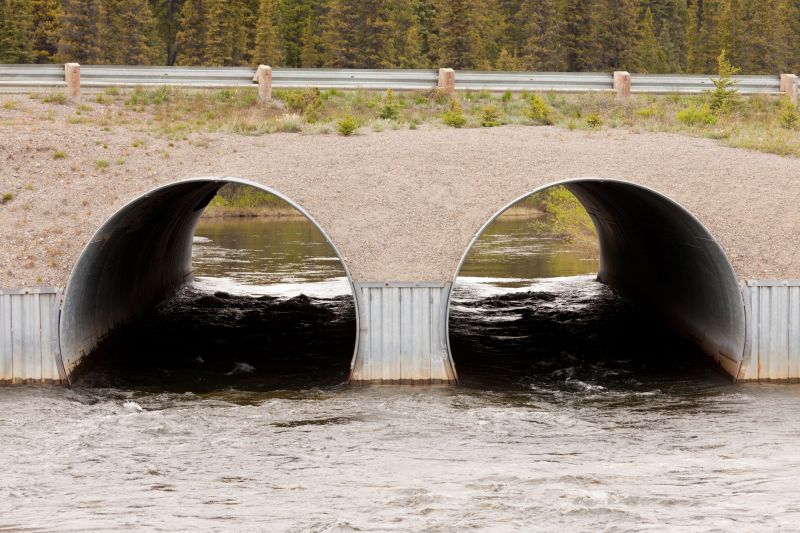
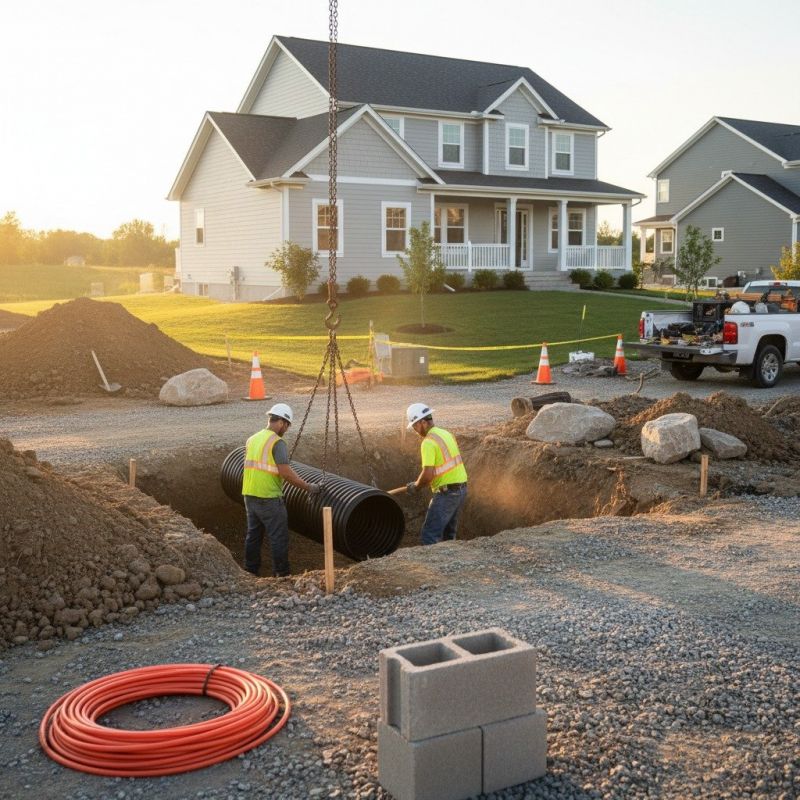
Culvert installation is often needed when property owners are managing drainage issues or preparing land for construction projects. Whether it's improving water flow across a driveway, preventing flooding during heavy rains, or ensuring proper runoff management on a property, local contractors can provide the expertise needed to install durable culverts that meet specific site requirements. These projects are common in areas with changing weather patterns or where land grading and landscaping are ongoing, making reliable drainage solutions essential for maintaining property integrity.
Homeowners and property managers may seek culvert installation services to address existing drainage problems or to support new development plans. Properly installed culverts help protect foundations, reduce erosion, and improve overall land usability. Local service providers can evaluate site conditions, recommend appropriate materials, and handle the installation process to ensure that drainage systems function effectively over time. Connecting with experienced contractors can make it easier to find practical solutions tailored to the unique needs of each property.
What types of culverts do local contractors install? Local contractors typically install various culvert types including pipe culverts, box culverts, and arch culverts, depending on the project's requirements.
How do I know if a culvert needs replacement or repair? A professional can assess factors such as blockages, structural damage, and water flow issues to determine if a culvert requires repair or replacement.
What materials are commonly used in culvert installations? Common materials include concrete, corrugated metal, and high-density polyethylene, chosen based on durability and site conditions.
What is involved in the process of installing a culvert? Installation generally involves site excavation, culvert placement, and backfilling, with local service providers managing these steps to ensure proper drainage and stability.
How can I find local contractors experienced in culvert installation? This website can help connect with local service providers who specialize in culvert installation and related drainage solutions.
Drainage Solutions - Property owners can improve water flow around their property to prevent pooling and erosion.
Water Management - Installing culverts helps manage runoff during heavy rains, protecting landscaping and foundations.
Driveway and Pathway Installation - Culverts can be used to create stable, long-lasting access paths across uneven terrain.
Flood Prevention - Proper culvert installation can direct excess water away from structures, reducing flood risks.
If you are thinking about Culvert Installation for a property, this guide is meant to help you understand the work, the typical project types, and how different options might fit your plans.
When you are ready, you can use the quote form on this page to share a few details about your project. From there, local pros can review the basics and respond with options that match what you have in mind.